
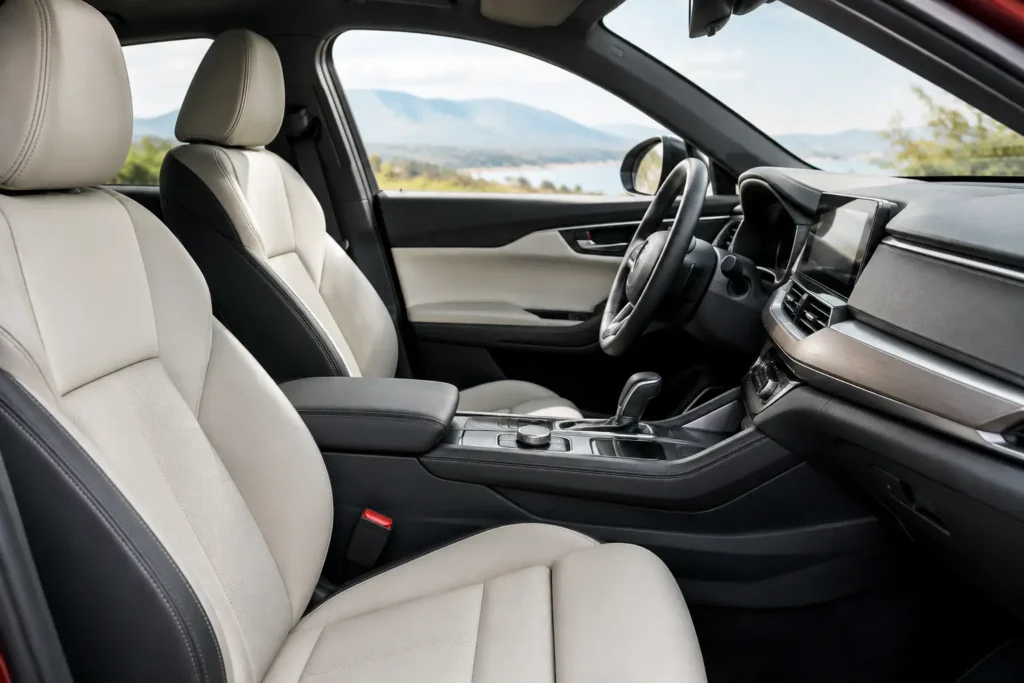
A vehicle can run perfectly, wear fresh paint, and still feel tired the moment you sit behind a shiny, cracked steering wheel. Faded woodgrain, peeling trim, worn armrests, and a discolored center console do more than hurt appearance. They change the way the entire vehicle feels every time you drive it. The best car interior transformations focus on those high-contact components first, then restore or customize them with materials and finishes built for real use.
For a classic, luxury vehicle, performance build, or well-kept daily driver, interior work is not simply cosmetic. It can protect originality, support resale value, and make the cabin feel appropriate to the quality of the vehicle again. The difference comes down to choosing the right scope of work and having each part refinished with precision.
Why Car Interior Transformations Start With Touchpoints
Your hands and eyes repeatedly return to the same areas: the steering wheel, dash trim, shifter, console, armrests, and door pull handles. These parts receive constant friction, sun exposure, skin oils, cleaning chemicals, and temperature swings. As a result, they often show wear long before seats or carpet do.
A steering wheel with worn leather can make a low-mileage luxury vehicle look neglected. A cracked woodgrain dash insert can pull attention away from an otherwise careful restoration. Soft-touch paint that has become sticky or peeled can make a modern cabin feel older than it is. Addressing these parts creates an immediate, visible improvement because the transformation is concentrated in the areas drivers interact with most.
That does not always mean replacing everything. Original parts are often the best parts to restore, especially on rare, vintage, or high-end vehicles. Factory fitment is preserved, and the finished component remains correct for the vehicle rather than becoming a generic substitute.
Restoration or Customization: Choose the Right Direction
A successful interior project begins with a clear decision: should the component return to its original appearance, or should it become part of a custom build?
Restoration is usually the right choice when originality matters. Collectors, classic car owners, and owners preparing a vehicle for sale may want the correct grain, stitching style, color, sheen level, and wood tone. The goal is not to make the component look newly modified. The goal is to make it look factory new while respecting the vehicle’s era and character.
Customization gives owners more room to build an interior around their preferences. A steering wheel can be reupholstered in a different leather color, accented with contrasting stitching, wrapped in suede, or finished with a performance-inspired grip. Wood trim can be refinished in a darker tone, paint-matched to the exterior, or converted to carbon fiber. Interior plastics can be dyed or painted to coordinate with a new seat color or a complete cabin redesign.
Neither path is automatically better. A concours-level classic may lose appeal with a non-original finish, while a modern performance car can benefit from a custom wheel or carbon fiber trim that better matches the owner’s vision. The right choice depends on the vehicle, its purpose, and whether long-term originality or personal expression carries more weight.
What a Lasting Transformation Requires
The best-looking finish will not hold up if the preparation is rushed. Proper interior refinishing involves more than covering damage or applying fresh color over a worn surface.
Leather restoration starts with evaluating the condition of the underlying structure. If leather is cracked, hardened, stretched, or separating from the wheel, the damaged covering may need to be removed and replaced rather than recolored. Reupholstery allows the installer to rebuild the look and feel with fresh material while matching the wheel’s original contours, spoke transitions, seam placement, and grip thickness.
Trim refinishing requires its own discipline. Old coatings, failed clear layers, scratches, and oxidation need to be addressed before a new finish is applied. Woodgrain restoration is especially detail-sensitive because the depth of the color, grain pattern, gloss level, and clarity all affect whether the piece looks authentic. Carbon fiber conversions also require careful alignment and finishing so the weave looks intentional across multiple panels rather than visually scattered.
For painted, dyed, or soft-touch components, surface cleaning and adhesion preparation are critical. Interior parts hold years of oils, silicone dressings, and residue that can interfere with coatings. A durable finish depends on removing contaminants, repairing imperfections, applying compatible products, and allowing the part to cure correctly.
The Materials Matter as Much as the Color
Interior materials are not interchangeable. A steering wheel covering must be selected for grip, flexibility, wear resistance, and the way it feels under the driver’s hands. A leather that looks excellent on a seat may not perform the same way on a wheel. Suede can add a focused, motorsport-inspired feel, but it requires more maintenance and can show wear more quickly than conventional automotive leather.
Color matching also goes beyond choosing a color name. Black leather may have a warm or cool undertone. Tan can range from light cream to deep saddle. Factory interiors often use multiple shades that look similar until they sit side by side under daylight. Matching grain, sheen, texture, and stitching color is often just as important as matching the base color.
Wood finishes present another trade-off. High-gloss wood can create a dramatic luxury appearance, but it will reflect more light and show fingerprints more easily. A lower-gloss finish can feel more contemporary and understated. Carbon fiber may suit a modern sports car beautifully, but a custom conversion may not be the right fit for a period-correct classic. Good craftsmanship includes advising on these choices before the work begins, not after the part is already finished.
Plan the Project Around Visual Continuity
A single restored steering wheel can make a tremendous difference. In many cases, it is the smartest first investment because it is both the most visible and most frequently touched component. Still, a steering wheel should not be planned in isolation if the surrounding trim is heavily worn.
Consider the visual line from the wheel to the dash, center console, shifter, and armrest. If a newly reupholstered wheel has rich black leather and crisp stitching, peeling console trim may stand out more than it did before. Likewise, refinished wood trim may expose a faded shift knob or worn e-brake handle nearby.
This does not mean every project must become a complete interior restoration. It means choosing components that work together. Many owners get the strongest result by restoring the wheel and one or two adjacent touchpoints in the same color and finish family. That approach controls cost while giving the cabin a deliberate, cohesive appearance.
A Practical Send-In Process for Interior Parts
For many vehicles, steering wheels, dash trim, consoles, armrests, shifters, and related components can be removed and shipped for professional refinishing. This is particularly useful for owners outside a local service area, as well as restoration shops managing multiple projects at once.
Before removing a part, photograph its condition from several angles. Capture any special stitching, badges, switches, woodgrain patterns, paint codes, or imperfections that need attention. If the component includes electronics, airbag-related hardware, or delicate mounting points, removal should be handled carefully and according to the vehicle manufacturer’s procedures. When in doubt, use a qualified installer for removal and reinstallation.
The refinishing process should begin with a conversation about the desired result: factory-correct restoration, a close color match, or a fully custom design. Clear reference photos and realistic expectations are valuable, especially with aged interiors where surrounding materials may have faded over time. Craft Customs performs this work in-house, allowing the team to control material selection, repair, finishing, and final quality inspection from start to finish.
Avoid the Shortcuts That Make Interiors Age Faster
Quick fixes have a place for temporary improvements, but they rarely create the result owners expect from a premium vehicle. Leather dye applied over deep cracking may improve color briefly without solving the compromised material beneath it. Adhesive overlays can lift at edges. Low-quality paint can chip, remain tacky, or react poorly with cleaners and heat.
The same caution applies to universal replacement parts. They may be less expensive, but they can have the wrong grain, shape, color, or mounting details. On a rare or valuable vehicle, restoring the original component is often the better long-term decision.
A quality transformation is built around repairability and durability. It should look right under direct sunlight, feel right in the driver’s hands, and continue to hold up after thousands of miles. That standard takes more time than a cosmetic cover-up, but it is what separates a finished interior from a temporary improvement.
When you are deciding where to begin, look at the part your hands touch first. Restoring that component with the right material, color, and finish can change the entire cabin before you turn the key.