
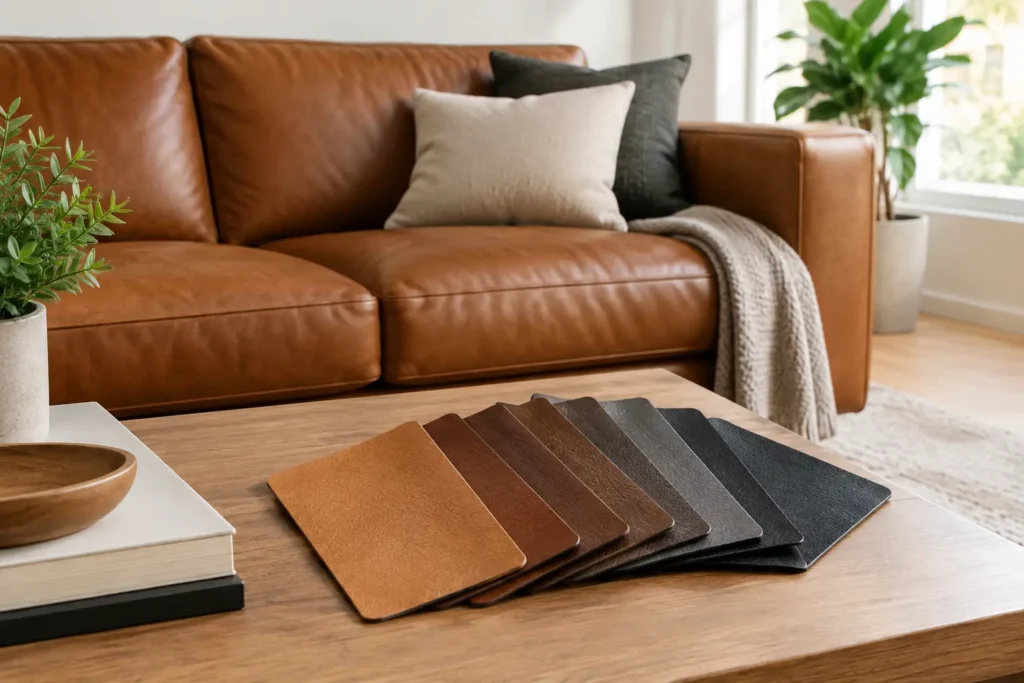
A steering wheel can make a color decision feel much bigger than it looks on a sample card. It sits in your hands, catches sunlight through the windshield, and touches every other material in the cabin. That is why choosing the best leather colors for interiors is not simply a matter of picking black, tan, or red. The right shade has to work with the vehicle’s trim, upholstery, exterior character, and the way the interior will wear over time.
For a factory-correct restoration, accuracy matters down to the undertone. For a custom build, the goal is different: create an interior that looks intentional, premium, and appropriate for the vehicle rather than added on. A strong color choice makes restored leather, refinished trim, and custom-wrapped components look like they belong together.
Start With the Interior You Already Have
The best color is rarely chosen in isolation. Before selecting leather for a steering wheel, armrest, shift boot, console lid, or dash component, look at the materials that will remain in the vehicle. Carpet, seat inserts, headliner, stitching, plastic panels, woodgrain, carbon fiber, and metal trim all influence how a leather color reads.
Black interiors are the easiest starting point because black leather pairs with nearly every trim finish. The trade-off is that an all-black cabin can lose definition, especially when the dash, seats, door panels, and console all share the same dark tone. Contrast stitching, perforated leather, suede sections, or a subtle charcoal instead of pure black can bring back visual depth without moving away from a clean OEM appearance.
Tan, beige, and saddle interiors require more discipline. These colors can look exceptionally rich, but they expose mismatched undertones quickly. A warm caramel steering wheel next to cool gray-beige seats may look incorrect even if both colors appear “tan” under shop lighting. Always compare samples in natural light and against the actual interior component whenever possible.
The Best Leather Colors for Interiors by Style
Black: The Safest Premium Choice
Black remains one of the best leather colors for interiors because it is durable-looking, versatile, and appropriate across luxury sedans, trucks, sports cars, and classic vehicles. It also disguises everyday contact wear better than light colors, which is especially useful on steering wheels, shifters, and armrests.
Pure black works best when the cabin already has contrast from brushed metal, woodgrain, carbon fiber, colored stitching, or lighter seat sections. In a dark cabin with few contrasting materials, charcoal or black leather with a textured grain can prevent the interior from feeling flat. For performance-oriented builds, black leather combined with Alcantara or suede creates a purposeful, driver-focused finish.
Saddle and Cognac: Warmth Without Looking Dated
Saddle, cognac, caramel, and tobacco shades add warmth that black cannot provide. They are especially effective in classic restorations, upscale trucks, grand touring cars, and luxury vehicles with open-pore wood or brushed aluminum trim. A well-executed saddle leather steering wheel can make a cabin feel substantially more expensive and more personal.
The key is choosing the right depth. Very orange leather can overpower a modern interior, while an overly dark brown may read muddy next to lighter tan seats. Cognac usually works best with black, cream, dark brown, or charcoal surrounding materials. Saddle is often the better choice when the vehicle already has warm woodgrain or bronze-toned accents.
These colors do require maintenance awareness. Light oils, denim transfer, and hand contact can show more readily than they do on black leather. On a frequently driven vehicle, a slightly darker saddle tone is often the smarter long-term choice than a very pale tan.
Gray: The Underused Factory-Plus Option
Gray is one of the most adaptable choices for a modern factory-plus interior. It can look technical and restrained in a performance car, refined in a luxury sedan, or period-correct in many European and domestic classics. More importantly, gray gives an owner a middle ground between the maintenance demands of beige and the visual weight of black.
Cool graphite gray works well with aluminum, silver stitching, carbon fiber, and black trim. Warmer stone and taupe grays pair better with cream upholstery, woodgrain, and soft beige interiors. The difference matters. A cool gray wheel in a warm ivory cabin can look disconnected, while a warm gray can bridge the two materials naturally.
Burgundy, Oxblood, and Deep Red: Custom With Restraint
Red leather is not one color category. Bright red is bold and can become tiring when used across an entire cabin. Burgundy, oxblood, merlot, and deep wine shades are different. They add character while retaining the depth associated with high-end interiors.
These shades work particularly well on classic muscle cars, European grand tourers, vintage luxury vehicles, and custom builds with black or dark brown foundations. A full oxblood interior can be striking, but smaller applications often deliver the better result: an oxblood steering wheel, shift boot, console accents, or contrast inserts against black leather.
Avoid matching deep red leather with unrelated bright-red painted accents unless the color relationship is carefully controlled. A leather tone should complement the vehicle’s personality, not compete with every exterior detail.
Navy and Deep Blue: Refined Alternative to Black
Navy leather gives many interiors the same visual discipline as black with more character. It is a strong option for luxury vehicles, classic cars with blue interiors, and builds featuring gray, cream, brushed metal, or darker wood trim. Navy also hides wear well, making it practical for high-contact parts.
The challenge is lighting. Some dark blues look almost black in a garage but turn noticeably blue in direct sun. That can be exactly the desired effect, but it should be intentional. Compare the leather under daylight before committing, particularly if it must coordinate with factory blue seats or door panels.
Match Undertones Before You Match Names
Color names are useful, but they are not precise enough for restoration work. Two manufacturers may both call a leather color “beige,” while one has a yellow undertone and the other carries gray, pink, or green. Once installed next to original upholstery, that difference becomes obvious.
Undertone matching is especially critical when restoring only one component. A steering wheel should not look newly replaced in the wrong shade. The goal is to make repaired or reupholstered parts look factory new while still belonging to the rest of the cabin.
For custom work, undertones create harmony. Warm brown leather generally works with warm woodgrain, bronze metals, and cream upholstery. Cool blacks, grays, and blues are natural partners for carbon fiber, piano black, aluminum, and titanium-style trim. If the interior includes both warm and cool materials, use a neutral bridge color such as charcoal, medium gray, or dark taupe.
Consider Where the Leather Will Be Touched
The best-looking color is not always the best color for every part. Steering wheels, armrests, shift knobs, e-brake handles, and console lids see constant contact. Light colors show oils and dye transfer more easily. Matte finishes can also show shiny wear patterns sooner than lightly protected automotive leather.
That does not mean light interiors should be avoided. It means the color plan should be practical. In a cream or ivory cabin, using a darker tan, taupe, or matching medium-brown leather on high-contact parts can preserve the overall light look while reducing visible wear. Another option is to keep the component factory-light but use quality automotive leather and professional finishing designed for the application.
Texture also changes the result. Smooth leather looks clean and modern but can show scuffs more readily. Pebbled grain brings a more traditional, durable appearance. Perforated leather can add visual interest and improve grip on steering wheels, though it needs careful cleaning to keep perforations clear.
Factory Correct or Fully Custom?
A collector-grade restoration should usually favor the original color, grain, stitch pattern, and finish. Factory accuracy protects the vehicle’s character and can support its long-term appeal to future buyers. This is particularly true for rare trim packages, vintage luxury cars, and well-documented classics.
A custom build offers more freedom, but the best custom interiors still respect the vehicle. A black-and-cognac combination may elevate a modern truck. Carbon fiber with graphite leather may suit a performance coupe. Suede with dark blue stitching can sharpen a luxury sport sedan. The common thread is control: one primary leather color, one supporting material, and limited accent color use.
At Craft Customs, color selection is treated as part of the restoration process, not an afterthought. Matching leather, dyes, painted trim, stitching, and adjacent materials is what turns an individual repaired part into a finished interior transformation.
Before choosing, view samples beside the actual part in daylight, consider the vehicle’s use, and decide whether the goal is preservation or personalization. The right leather color should still look right after thousands of miles, not just during the first walkaround.