
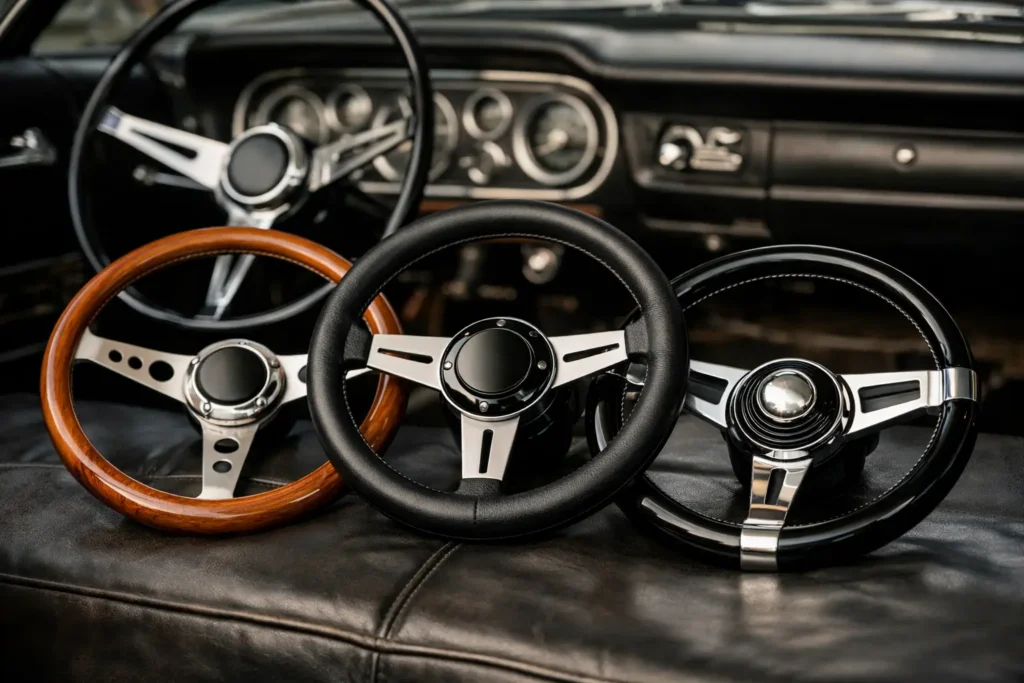
A cracked rim, faded wood, or worn-out grip can make a beautifully maintained classic feel neglected every time you get behind the wheel. The best options for classic steering wheels are not limited to replacing the part. In many cases, restoring the original wheel delivers the correct fit, authentic character, and value that an off-the-shelf replacement cannot match.
The right choice depends on what you drive, how original you want it to remain, and how the car is used. A numbers-matching collector car calls for a different approach than a weekend cruiser, restomod, or show build. The goal is simple: make the steering wheel look right, feel right in your hands, and function exactly as it should.
Start With the Wheel You Already Have
Original steering wheels carry details that are difficult to duplicate. The spoke shape, dish depth, horn pad fitment, turn-signal canceling hardware, and mounting spline all affect the driving experience. On many vintage vehicles, the original wheel is also part of the car’s identity.
That is why restoration is often the strongest option when the wheel is structurally sound. Surface cracks in plastic or resin, faded wood, deteriorated leather, worn paint, and aged clear coat can usually be addressed without giving up the original core. A properly restored factory wheel preserves the proportions and mounting geometry designed for that vehicle.
Before choosing any path, inspect the wheel closely. Minor cosmetic damage is very different from a bent spoke, damaged hub, loose rivets, or a compromised metal frame. Structural issues should be evaluated before cosmetic refinishing begins. A steering wheel is not just an interior trim piece – it is a primary control surface.
Best Options for Classic Steering Wheels by Goal
Factory-correct restoration
For collectors and owners pursuing an authentic restoration, factory-correct refinishing is usually the best investment. This approach retains the original wheel while renewing the materials and finish to a clean, period-appropriate appearance.
Plastic and resin wheels may need crack repair, careful reshaping, color matching, and refinishing. Wood-rim wheels may require stripping failed clear coat, repairing small imperfections, restoring the woodgrain appearance, and applying a durable new finish. Leather-wrapped wheels can be reupholstered using a color, grain, stitch pattern, and seam placement that closely reflect the original design.
The trade-off is that accurate work takes more precision than a basic replacement. It is worth it when originality, resale appeal, or sentimental value matter. A restored original wheel also avoids the common fitment compromises that come with universal replacement parts.
Custom leather reupholstery
A leather rewrap is an excellent choice for drivers who want a more refined grip without changing the wheel’s shape or core. This is especially effective on classic luxury cars, European vehicles, muscle cars, and older trucks that originally used leather or would benefit from a premium upgrade.
Material selection makes the difference. Smooth leather creates a clean, factory-style result, while perforated leather adds a sportier texture. Alcantara-style suede can suit a performance build, though it requires more frequent cleaning than leather and may not be the right fit for a historically correct restoration. Stitch color can be matched to the interior or used as a subtle accent.
The best custom work respects the wheel’s underlying design. Thick padding can make a vintage wheel look swollen or distort the feel of narrow factory rims. A skilled reupholstery process keeps the grip consistent, the seams straight, and the transitions around spokes, horn pads, and thumb rests clean.
Woodgrain refinishing
Classic wood steering wheels deserve a more careful approach than a quick coat of clear finish. Sun exposure, hand oils, temperature changes, and old repair attempts can leave wood faded, cloudy, cracked, or uneven. Refinishing may involve removing deteriorated material, stabilizing imperfections, bringing back the grain, and building a smooth protective finish.
The finish should suit the car. A high-gloss wood rim can look exceptional in a vintage Mercedes-Benz, Jaguar, Cadillac, or Italian sports car, but the shade and sheen must work with the dash trim and console. A color that is too red, too dark, or too glossy can make a well-restored interior look mismatched.
If your original wheel has real wood and retains its correct shape, restoration is generally more valuable than replacing it with a generic wood wheel. Reproduction alternatives can work for a driver-quality car, but the quality of the grain, spoke finish, and horn-button fit varies widely.
A period-correct replacement wheel
A replacement wheel makes sense when the original is missing, unsafe, severely damaged, or already replaced with the wrong part. The strongest choice is a wheel designed specifically for the vehicle or for the correct period, not simply one that happens to fit an adapter.
Look beyond diameter and appearance. Confirm the hub pattern, spline count, dish depth, horn-button arrangement, and clearance to the turn-signal stalks. A wheel that sits too close to the driver can feel cramped. One with too much dish may place the rim uncomfortably far away and alter the visual balance of the dash.
A period-correct replacement is often ideal for a driver restoration where you want the vintage look but do not have a restorable original. Keep the original hardware, horn components, and any usable trim whenever possible. Those pieces can be difficult to source later.
A custom restomod wheel
For a restomod, a custom steering wheel can tie the entire interior together. A leather-wrapped factory core with upgraded stitching, restored spokes, painted accents, carbon fiber details, or coordinated woodgrain can look far more intentional than a catalog wheel added at the end of the build.
This option gives you room to match seat upholstery, dash trim, shifter materials, and console finishes. A black leather wheel with saddle stitching, for example, can connect a two-tone cabin without making the interior look overdesigned. The key is restraint. A classic dashboard often benefits from one strong material statement rather than several competing finishes.
Custom does not have to mean irreversible. Craft Customs regularly works from original components, allowing owners to upgrade the feel and appearance of a wheel while retaining the factory structure and fitment that belongs in the car.
Fit, Function, and Safety Matter as Much as Finish
A beautiful steering wheel that does not operate correctly is not a finished restoration. Horn contact, turn-signal cancellation, steering-column alignment, and secure fastening should all be checked during installation. On vehicles equipped with airbags, replacement or modification requires additional caution. Airbag-equipped wheels, modules, clocksprings, and related electronics should never be treated like a simple cosmetic swap.
Diameter changes also affect the way a classic drives. A smaller wheel can create more legroom and a sportier appearance, but it increases steering effort on cars without power steering. A larger wheel can feel more traditional and provide better leverage, though it may obstruct gauges or feel oversized in a compact cabin.
If you are replacing a wheel rather than restoring it, avoid universal adapters unless their fitment and quality are proven for your application. An adapter may solve a mounting problem while creating a horn, alignment, or seating-position problem.
How to Choose the Right Finish and Material
Your steering wheel should relate to the rest of the cabin, not compete with it. Match leather color to the seats, console, or dash pad rather than relying on a color name alone. Two blacks can have different undertones, and an aged tan interior rarely matches a new off-the-shelf tan leather.
For wood, compare the wheel against nearby trim under natural light. Woodgrain is not only a color decision. Grain pattern, gloss level, and warmth all influence whether the result looks original, upscale, or out of place. For painted spokes and horn pads, a properly matched finish can make the wheel look factory new instead of freshly sprayed.
Durability should guide the material choice. Leather generally provides the best blend of grip, comfort, and long-term serviceability. Wood offers unmatched period appeal but needs sensible care. Suede provides excellent tactile grip for a performance-focused car, yet it will show wear and oils more quickly in a frequently driven vehicle.
Preserve What Makes the Car Yours
The best steering wheel choice is the one that supports how you enjoy the vehicle. A concours restoration deserves accuracy. A family heirloom may deserve preservation of its original details. A weekend restomod may deserve a custom finish that makes every drive feel more personal.
Before ordering a replacement, take a hard look at the wheel already in your hands. If its structure is sound, restoring it can retain the history of the car while giving you the clean finish, confident grip, and finished interior it deserves.