
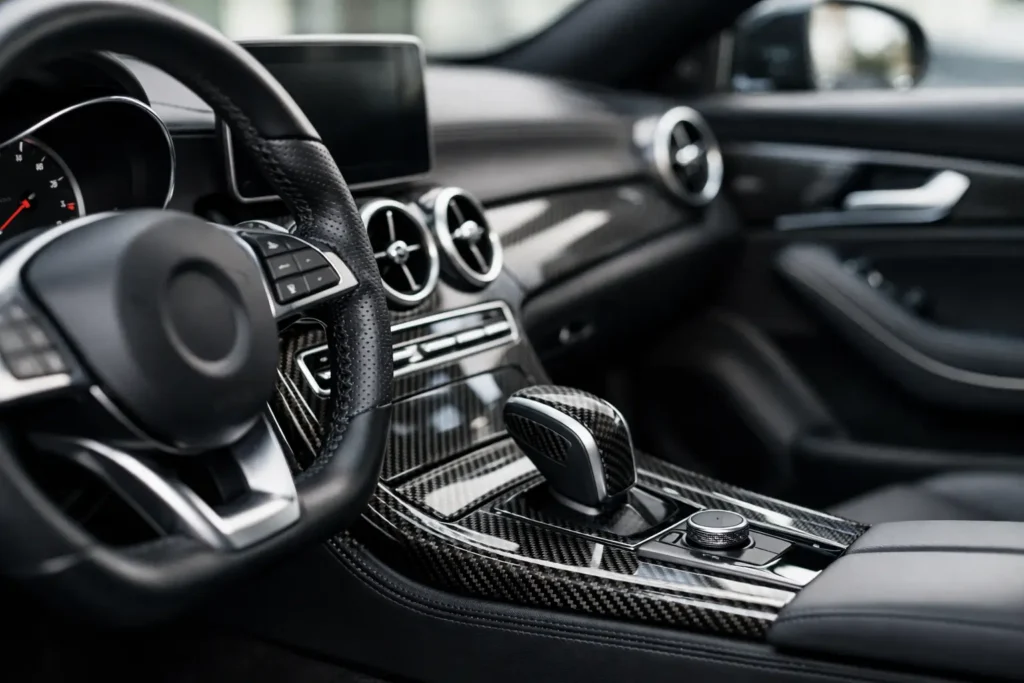
A worn interior can make a great vehicle feel tired fast. That is why so many owners ask, is carbon fiber interior worth it when they want something sharper, more modern, and more premium than faded woodgrain, scratched plastic, or peeling trim.
For the right vehicle and the right build, carbon fiber interior trim can be absolutely worth it. It can add a cleaner performance look, reduce the dated feel of older trim, and give high-contact interior pieces a more upscale finish. But it is not automatically a better choice for every car, every style, or every budget. The difference comes down to material quality, fit, finish, and whether the upgrade actually matches the rest of the cabin.
Is carbon fiber interior worth it for your vehicle?
If you own a performance car, luxury sport sedan, exotic, or a custom build with modern styling, carbon fiber usually makes sense. It looks intentional in cabins that already lean aggressive, technical, or driver-focused. Steering wheel trim, dash accents, console pieces, shifter surrounds, and door trim can all benefit when the pattern, gloss level, and craftsmanship are right.
If your vehicle has a classic, warm, or factory-authentic design language, the answer gets more complicated. Carbon fiber can still work, but it may fight the character of the interior if everything else is wood, chrome, and traditional leather. In those cases, restoring the original finish or choosing a subtle custom material often preserves value and visual balance better.
That is the first real trade-off. Carbon fiber is not just a material choice. It is a style decision.
What you are really paying for
A lot of owners assume they are paying only for the look. In reality, the value of carbon fiber interior trim comes from four things: appearance, durability, exclusivity, and execution.
Appearance is the most obvious one. Carbon fiber has a visual depth that painted plastic and printed trim usually cannot match. Real weave under a proper clear coat catches light differently and gives the interior more dimension. When installed on the right parts, it can make the cabin feel more expensive and more current.
Durability matters too, but this is where quality separates a premium result from a disappointing one. Properly finished carbon fiber trim can hold up very well against normal use. Poorly made overlays, thin coatings, weak adhesives, or low-grade imitation materials tend to show problems early – lifting edges, yellowing, hazing, or surface scratches that ruin the look.
Exclusivity is another factor. A well-executed carbon fiber interior is still a high-end visual cue. It suggests performance, detail, and intent. That matters to enthusiasts who want the inside of the car to feel as special as the outside.
Execution is the biggest variable of all. A true custom-finished part that fits correctly and looks factory-level is a different product from an off-the-shelf stick-on piece. They may both be sold as carbon fiber, but they are not the same upgrade.
Real carbon fiber vs hydro dip vs overlays
This is where many buying decisions go wrong.
When people ask if carbon fiber interior is worth it, they are often comparing very different products under the same label. Real carbon fiber parts or professionally converted OEM pieces offer the most authentic appearance and the best long-term result when done properly. The weave has real depth, the finish looks cleaner, and the final part usually feels more substantial.
Hydro dipped carbon pattern trim can look good from a distance and may work for budget builds, but it does not deliver the same depth or prestige. It is a decorative finish, not actual carbon fiber. That does not make it bad, but it does make it a different category.
Stick-on overlays are the riskiest option. Some are decent for temporary cosmetic changes, but many look exactly like what they are – an added layer sitting on top of the original part. Fit can be inconsistent, edges can telegraph through, and the finish often does not blend well with the rest of the interior.
If you care about long-term value, factory-like fit, and premium appearance, quality matters more than the carbon fiber label itself.
When carbon fiber adds value
Carbon fiber interior upgrades tend to feel worth the money when they solve an existing problem while improving the design. That might mean replacing scratched trim, modernizing dated woodgrain, refreshing faded pieces, or tying the cabin into other performance-focused upgrades.
This is especially true on vehicles where the interior already has strong lines and technical surfaces. In those cabins, carbon fiber can sharpen the design and make the whole space feel more cohesive. It often pairs well with black leather, Alcantara, contrast stitching, brushed metal, and sport seats.
There is also resale psychology to consider. A tasteful carbon fiber interior can help a well-kept enthusiast vehicle feel better maintained and more desirable. It will not always raise resale value dollar for dollar, but it can improve buyer perception if the work looks high-end and belongs in the car.
That said, value is strongest when the upgrade is reversible or based on original parts, and when it is done with materials and finish quality that do not look aftermarket in a cheap way.
When it is not worth it
Carbon fiber is usually not worth it when it is being used to cover up poor condition without addressing the underlying issue. If the trim is broken, warped, or badly prepped, the final result will still fall short.
It is also not worth it when the finish clashes with the cabin. A glossy carbon weave can look out of place in a softer luxury interior that was designed around matte wood, satin metals, and understated textures. You can end up spending premium money to make the cabin feel less coherent.
Budget is another practical consideration. If you are choosing between properly restoring core touchpoints like the steering wheel, armrest, and console or adding carbon fiber for appearance alone, restoration often delivers the bigger improvement in daily satisfaction. Drivers notice what they touch every time they get in the vehicle.
And finally, carbon fiber is not worth it if the workmanship is questionable. Bad clear coat, poor pattern alignment, rough edges, and weak prep will age badly. Interior trim sits in heat, sunlight, and constant contact. Shortcuts show up fast.
The finish matters as much as the material
Gloss, satin, and matte finishes create very different outcomes. High-gloss carbon fiber gives the most dramatic visual effect and often suits modern performance interiors best. It reflects light, highlights the weave, and looks especially sharp on dash trim and console components.
Satin or matte finishes can be the better choice if you want a more restrained look. They tend to blend more naturally into upscale interiors and can reduce glare. For owners who want carbon fiber texture without an overly flashy appearance, this is often the smarter route.
Pattern consistency matters too. If multiple parts are being refinished, the weave direction and finish level need to work together. One mismatched piece can make the whole interior feel pieced together.
Should you customize or stay factory-correct?
That depends on why you own the car.
If you are building a car for personal enjoyment, modernizing the cabin, or creating a cleaner performance aesthetic, carbon fiber can be a strong upgrade. It gives you room to personalize the interior while still keeping a premium feel.
If you own a collector vehicle or a model where factory originality strongly affects value, you need a more careful approach. In those cases, preserving or restoring the stock finish may be the better move, especially if you plan to sell to originality-focused buyers.
There is a middle ground, though. Many owners keep the original parts and have a second set customized, or they choose refinishing methods that start with OEM components. That approach gives you flexibility without sacrificing the option to return to stock later.
So, is carbon fiber interior worth it?
Yes – if you want a more refined performance look, your interior design supports it, and the work is done to a high standard. No – if the material is low quality, the fit is poor, or the style fights the character of the vehicle.
The best carbon fiber interiors do not look like add-ons. They look like the cabin should have come that way from the factory. That takes real prep, real finishing skill, and a clear eye for what belongs in the vehicle.
For owners who care about interior quality, the smartest question is not just whether carbon fiber is worth it. It is whether the specific parts, finish, and craftsmanship will make the entire cabin look newer, better, and more intentional. When the answer is yes, the upgrade tends to justify itself every time you open the door.